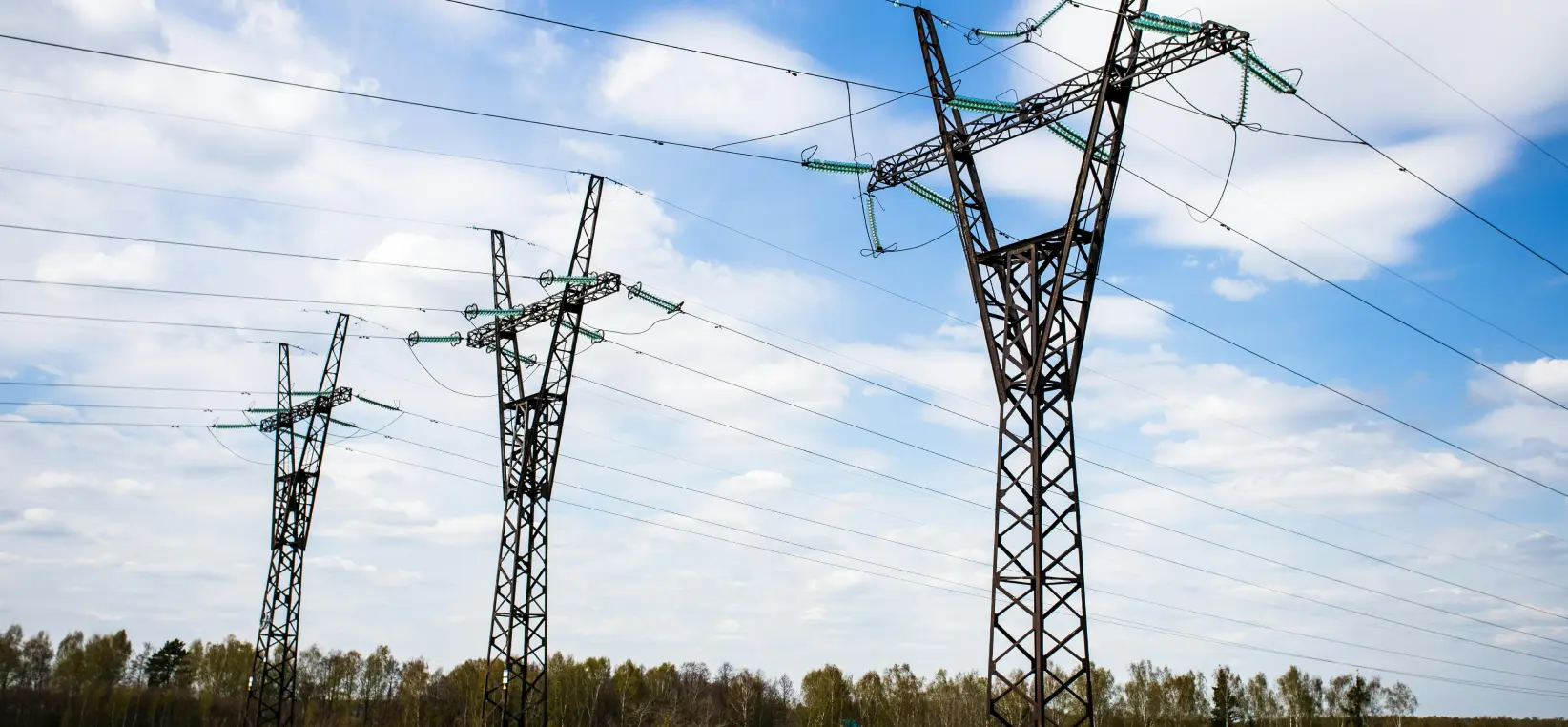
Industrial power systems are undergoing a fundamental transformation. While core principles remain unchanged, the nature of industrial loads and expectations has shifted dramatically.
Manufacturers that understand this evolution are better positioned to design systems that remain relevant over decades.
From mechanical to electronic dominance
Traditional industrial loads were largely mechanical. Today, power electronics dominate manufacturing environments.
Automation, variable-speed drives, robotics, and digital control systems demand power that is not just available, but stable and predictable. This shift has reduced tolerance for voltage irregularities.
Increased sensitivity, higher stakes
Modern equipment offers higher precision and efficiency, but at the cost of increased sensitivity to power quality.
Small disturbances that once went unnoticed can now cause:
- Process deviations
- Data errors
- Equipment faults
As sensitivity increases, so does the importance of power conditioning.
The impact of automation and connectivity
Connected systems amplify the consequences of power disturbances. A single fault can propagate through networks, affecting multiple processes simultaneously.
This interconnectedness raises the stakes for power system design.
Energy efficiency and its implications
Efficiency initiatives have led to widespread adoption of power electronic devices. While beneficial, these devices introduce harmonics and non-linear behavior.
Power systems must now manage efficiency and stability simultaneously.
Grid dynamics and decentralization
Renewable integration, distributed generation, and changing load patterns have altered grid behavior.
Voltage variability is no longer an exception. It is part of normal operation. Industrial facilities must adapt accordingly.
What this means for power system design
Future-ready power systems emphasize:
- Fast response
- High precision
- Modular scalability
- Integrated protection and correction
Designs based on legacy assumptions struggle to meet modern demands.
The role of experienced manufacturers
Adapting to evolving requirements requires deep field experience. Understanding how systems behave across industries, climates, and operating conditions informs better design choices.
Manufacturers with long deployment histories bring this perspective to new solutions.
Preparing for the next decade
As industrial systems continue to evolve, power infrastructure must evolve with them. Designing for flexibility and resilience ensures relevance amid uncertainty.
Facilities that invest thoughtfully today are better prepared for tomorrow's challenges.
Conclusion
Industrial power requirements are not static. They reflect broader changes in technology, energy systems, and operational expectations.
Understanding this evolution enables manufacturers and operators alike to build systems that support long-term success.